Building in Coquitlam
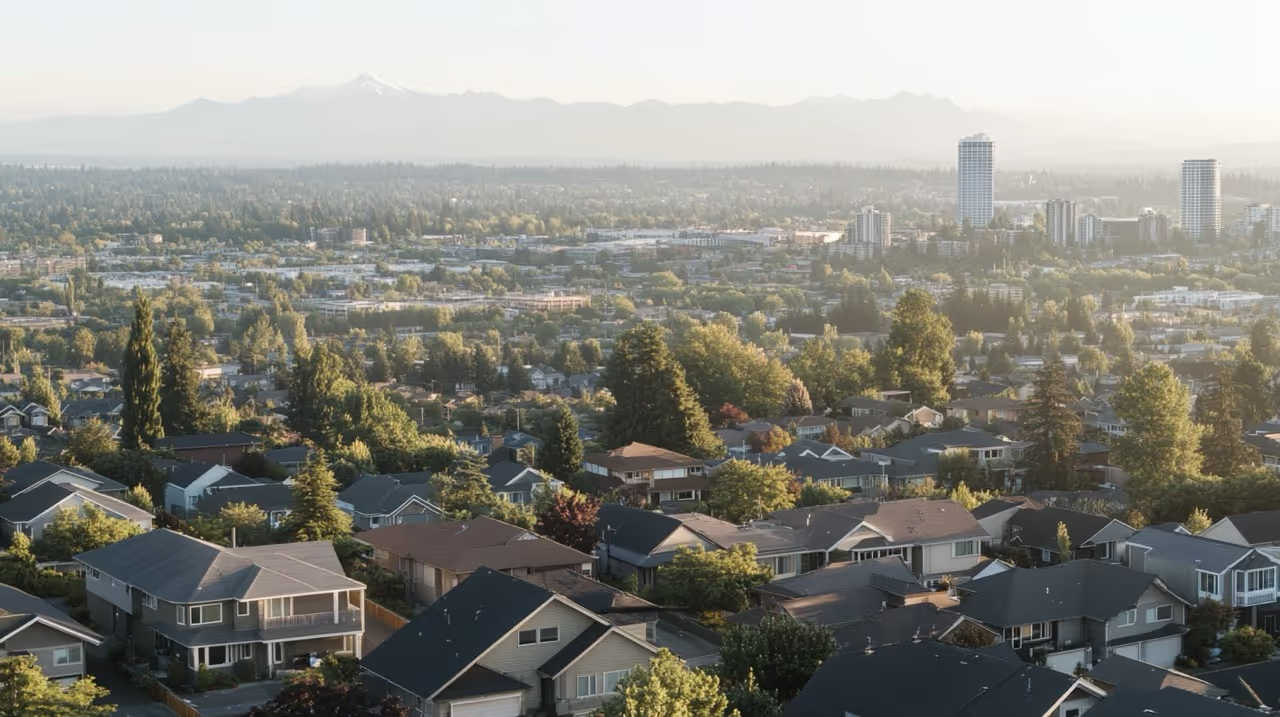
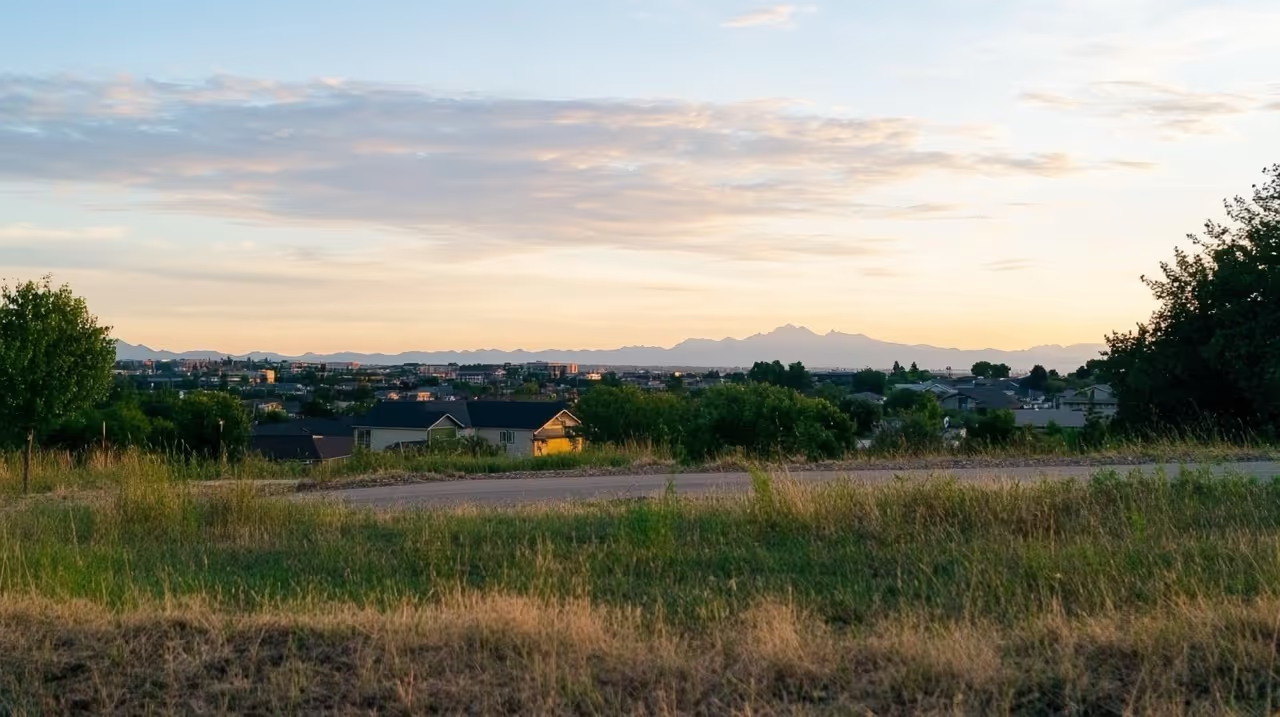
Coquitlam is the largest of the Tri-Cities and one of the busiest building markets on the SkyTrain map. From custom estates on Westwood Plateau to new-build neighbourhoods climbing Burke Mountain, growth here is being driven by transit, density targets, and a steady wave of buyers moving out from Vancouver and Burnaby.
What to Know About Building in Coquitlam
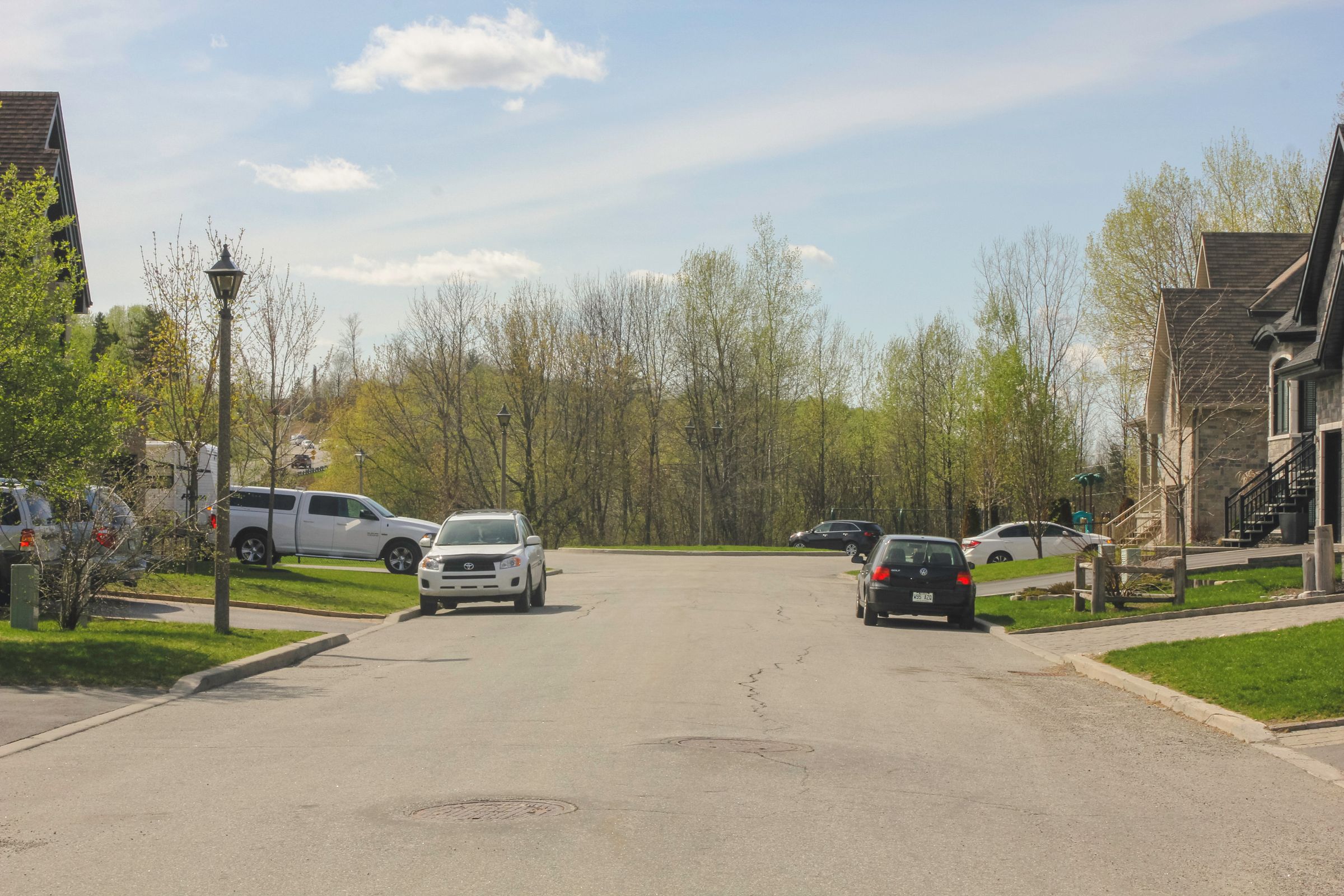
Coquitlam reviews residential building permit applications in roughly 15-20 business days for a first review, though volume and project complexity can push that out. New Part 9 residential construction has been required to meet Step 3 of the BC Energy Step Code since May 2023, which affects envelope design and mechanical systems on every new build. The city also updated its zoning under the province's small-scale multi-unit housing legislation—most single-family lots now allow a minimum of three to four units depending on lot size—and has rolled out Transit-Oriented Area rules increasing density allowances near SkyTrain stations.
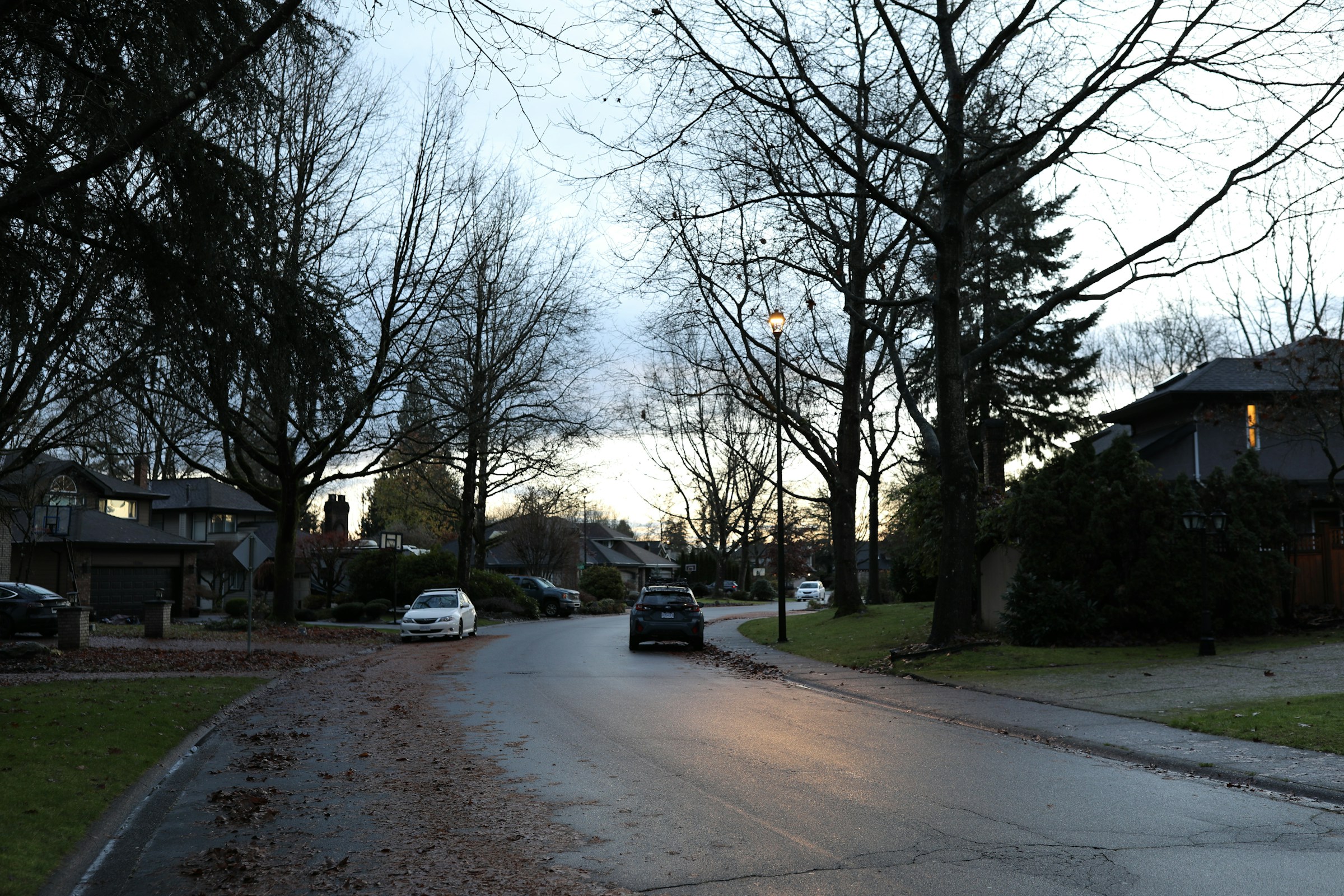
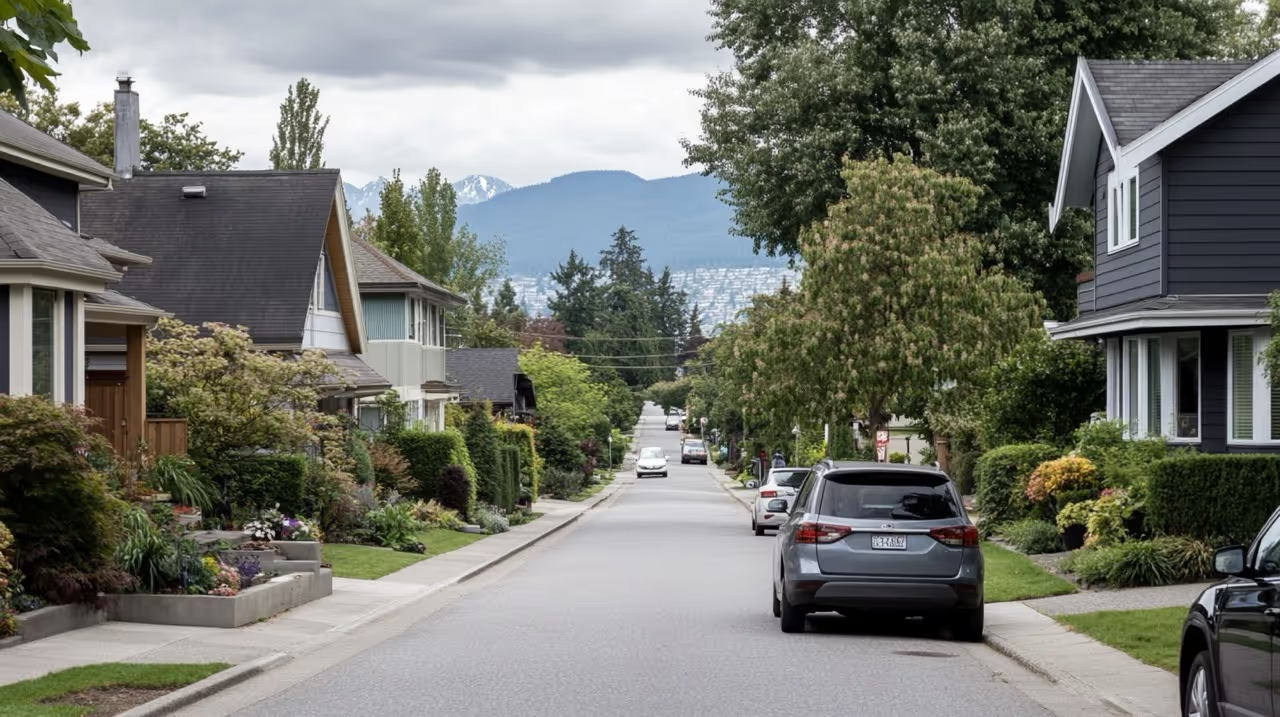
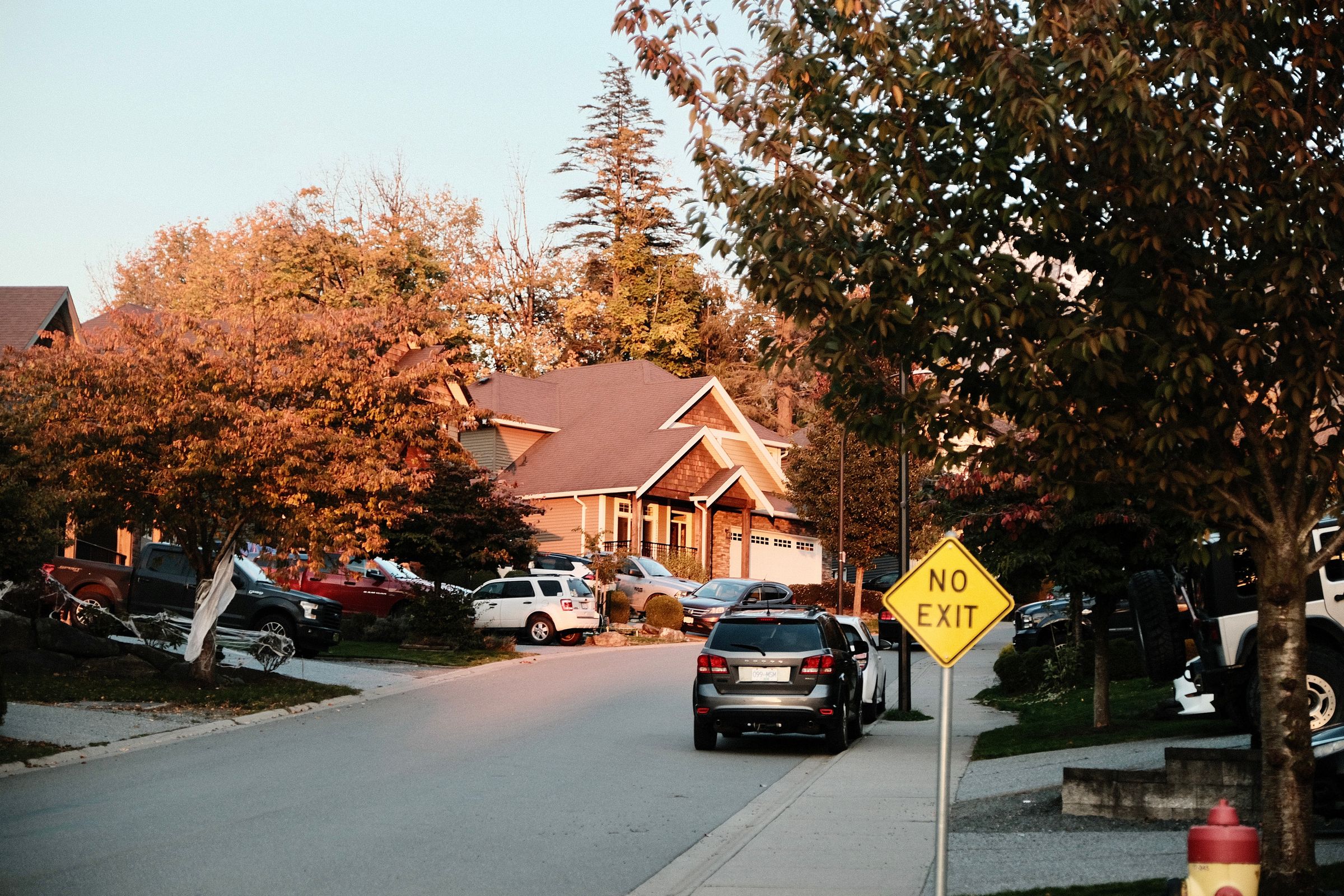
Coquitlam's neighbourhoods vary as much as its topography. Westwood Plateau, built up the slopes of Eagle Mountain, is the city's established custom-home enclave—large view lots, estate-scale houses, and some of the highest land values in the Tri-Cities. Burke Mountain in the northeast is the newest growth area, with entire neighbourhood plans like Smiling Creek still filling in. Austin Heights and Chineside, closer to the city centre, are older and more established—smaller lots, 1960s-80s housing stock, and a steady stream of renovation and rebuild work rather than ground-up estates.
Local Considerations and Challenges
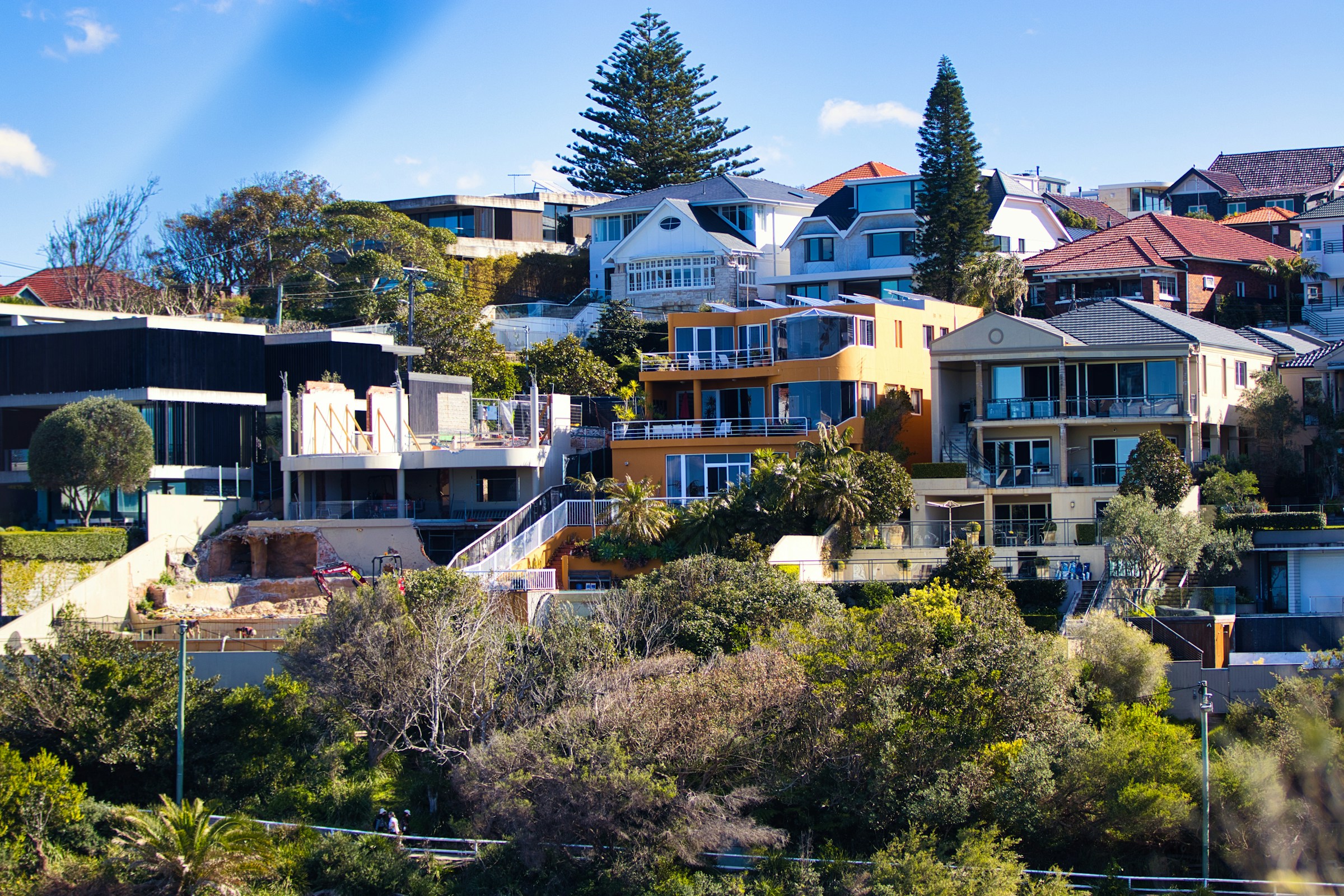
Slope engineering is a fact of life on both Westwood Plateau and Burke Mountain—most hillside lots need geotechnical review that drives foundation type, retaining wall scope, and drainage design before a design can even be finalized. View corridor requirements on these same slopes can limit building height and where massing sits on a lot, so a design that maximizes views has to work within what the city will actually approve. It's a more technical build than a flat Austin Heights lot, and it pays to bring an engineer in early.
The province's small-scale multi-unit housing rules have changed the calculus in older neighbourhoods like Austin Heights and Chineside, where a standard single-family lot may now support three or four units—worth understanding whether you're planning a single custom home or something with more flexibility. Burke Mountain's rapid growth also means some pockets are still catching up on schools, roads, and amenities as new neighbourhood phases come online, worth factoring into timeline expectations. Near Coquitlam Centre and Burquitlam, Transit-Oriented Area density rules are reshaping what's possible close to SkyTrain stations.
Cost of Building in Coquitlam
Westwood Plateau commands the premium end of Coquitlam's market—average listing prices there run well above the city average, and custom builds on view lots are priced accordingly once slope engineering and retaining structures are factored in. Burke Mountain sits in the middle, with land and construction costs reflecting its status as a newer, still-developing area. Austin Heights and Chineside offer more accessible entry points, where renovation and rebuild projects on smaller established lots are common. Standard BC Building Code and Step Code 3 requirements apply citywide, adding some cost over municipalities without an elevated step code.
Who's Building in Coquitlam
Westwood Plateau draws buyers who've outgrown Vancouver or Burnaby and want a genuine estate lot with mountain and valley views—these clients typically want high-end finishes and are building a long-term dream home. Burke Mountain attracts young families who want new construction and don't mind being at the edge of still-developing infrastructure in exchange for more house and more land for the money. Austin Heights and Chineside see a lot of long-time owners renovating or rebuilding 1960s and 70s homes to stay in a neighbourhood they already know, plus investors weighing the new multi-unit zoning potential.
-
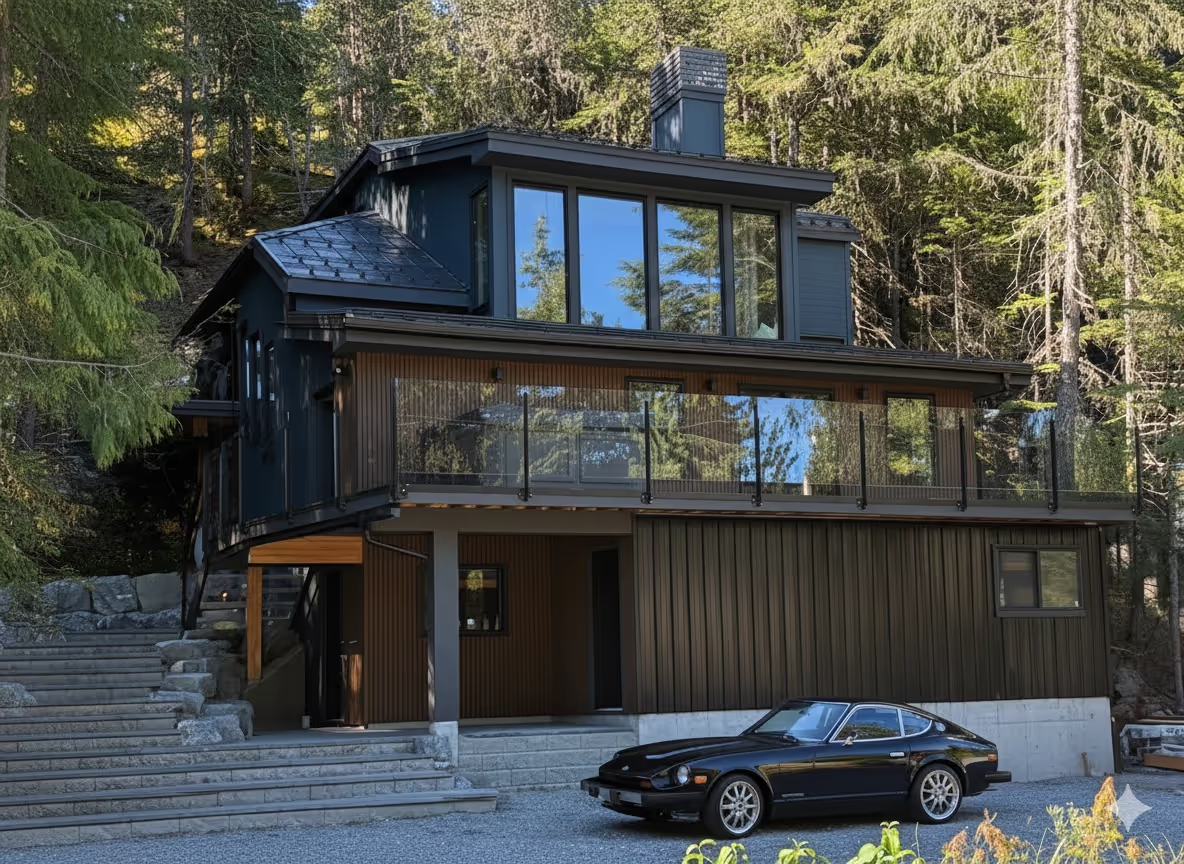
Build your dream home from the ground up
Custom Homes
read more -
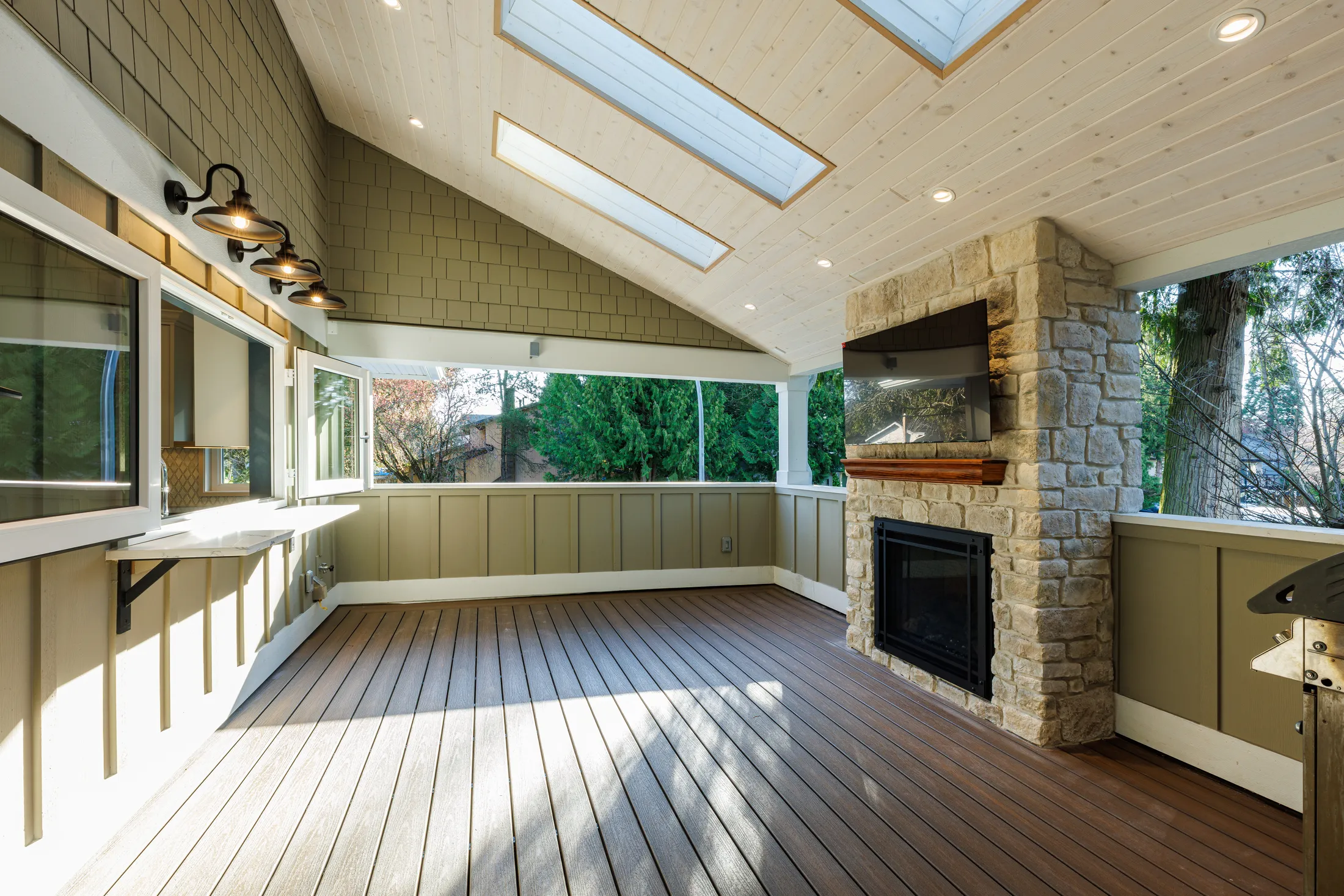
Complete home transformations tailored to how you live
Home Renovations
read more -
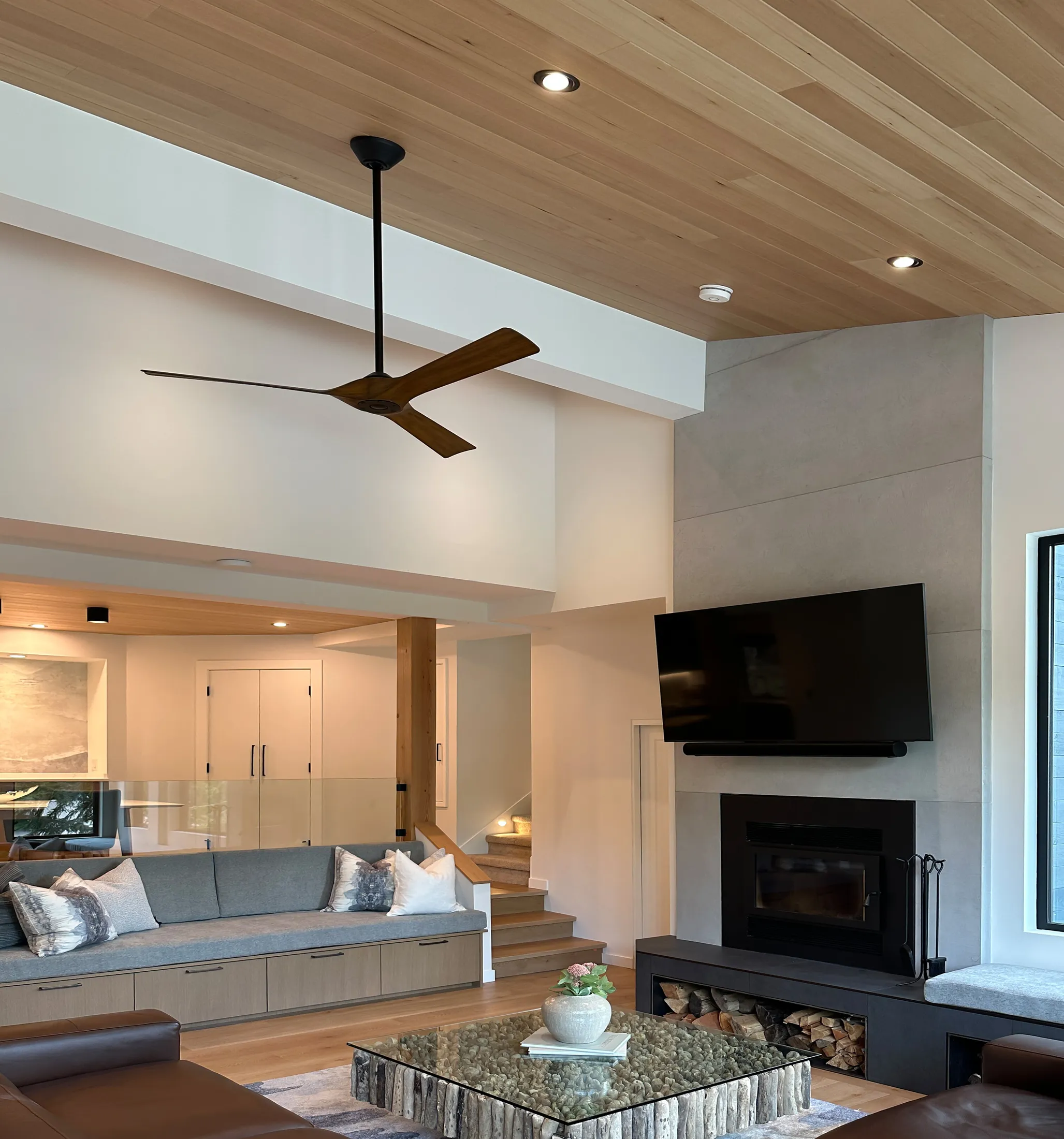
Design-build collaboration from concept to construction
Architectural Design
read more -
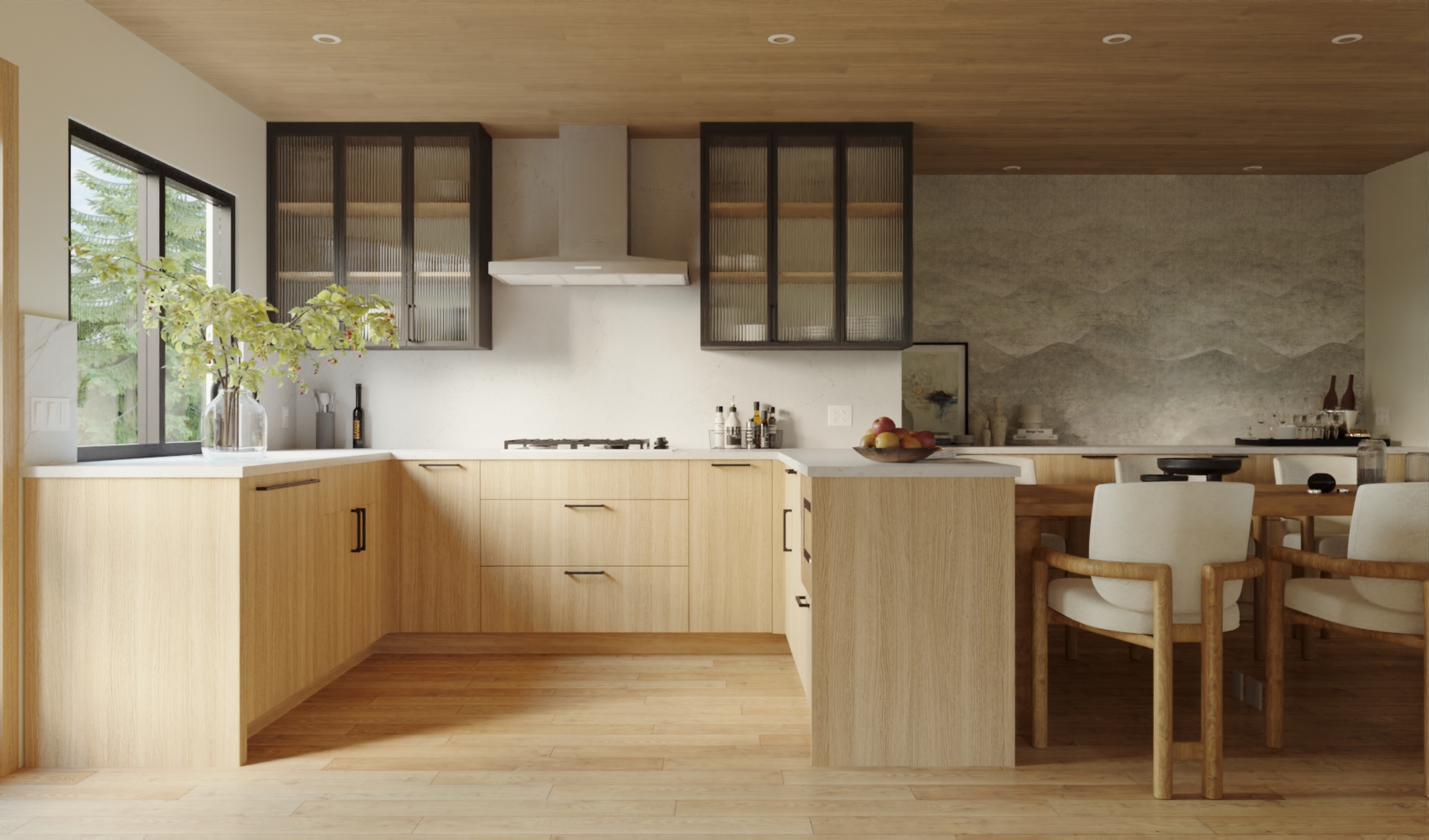
Transform your kitchen with expert design and execution
Kitchen Renovations
read more -
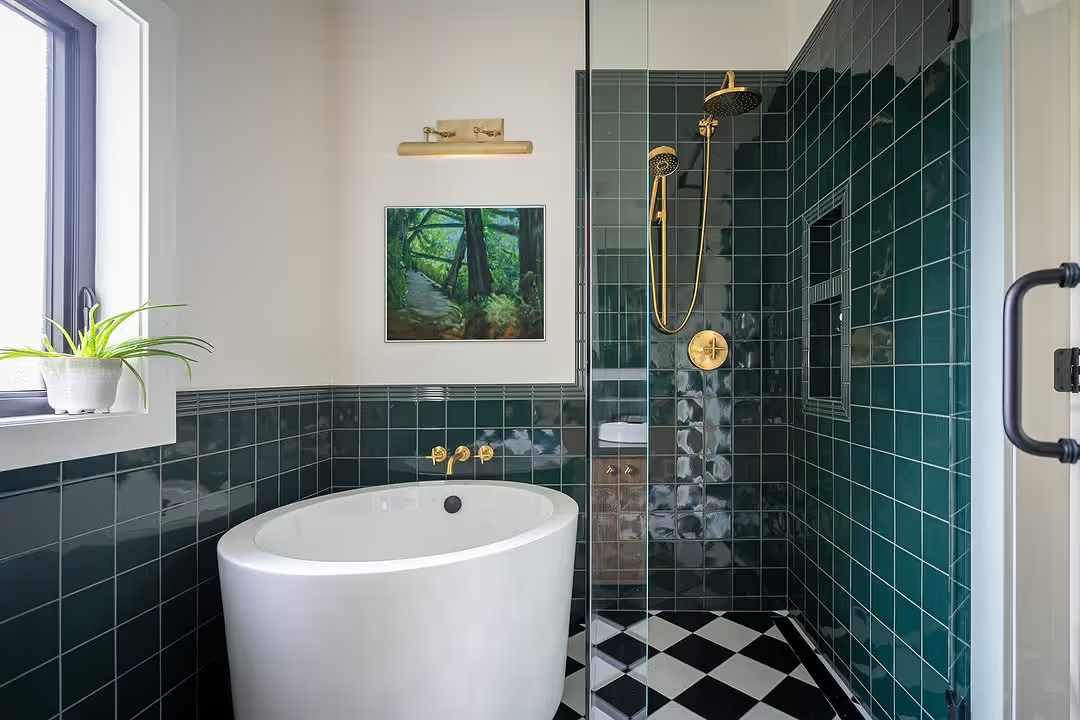
Create your spa-like retreat with quality craftsmanship
Bathroom Renovations
read more -
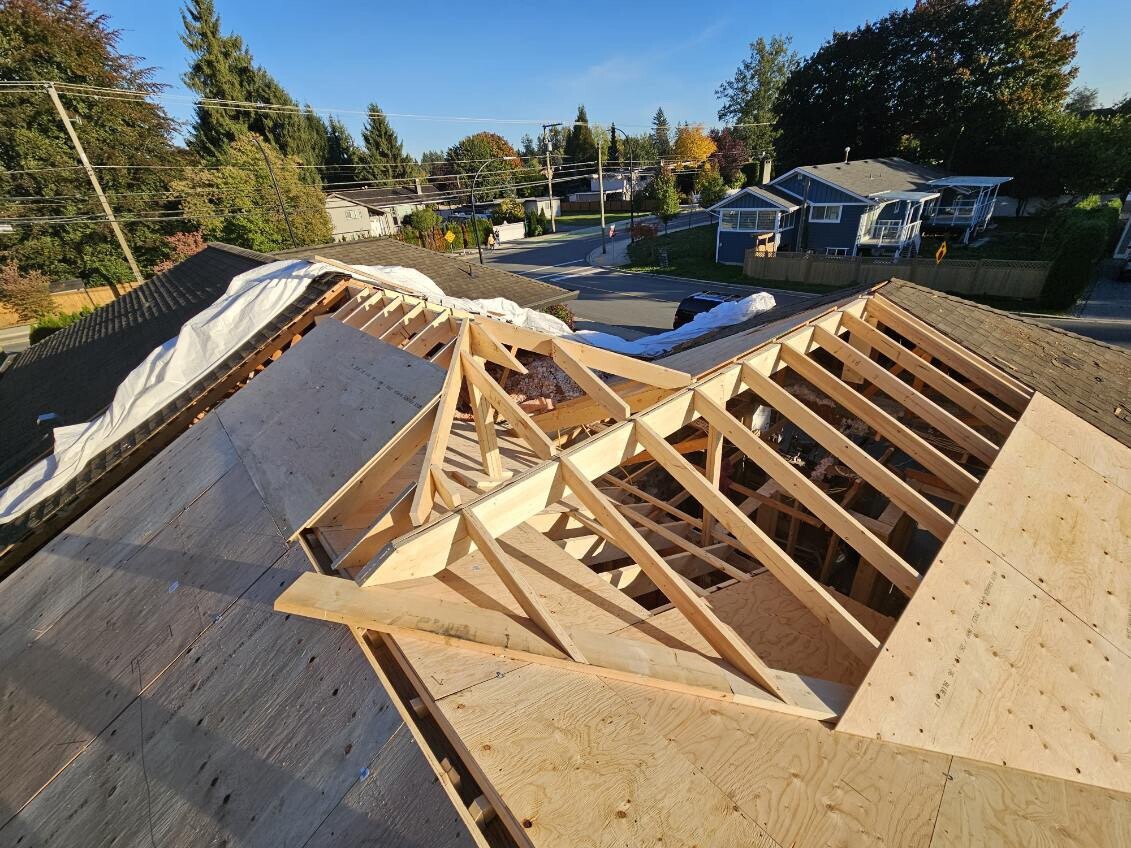
New home construction with full project management
Home Construction
read more -
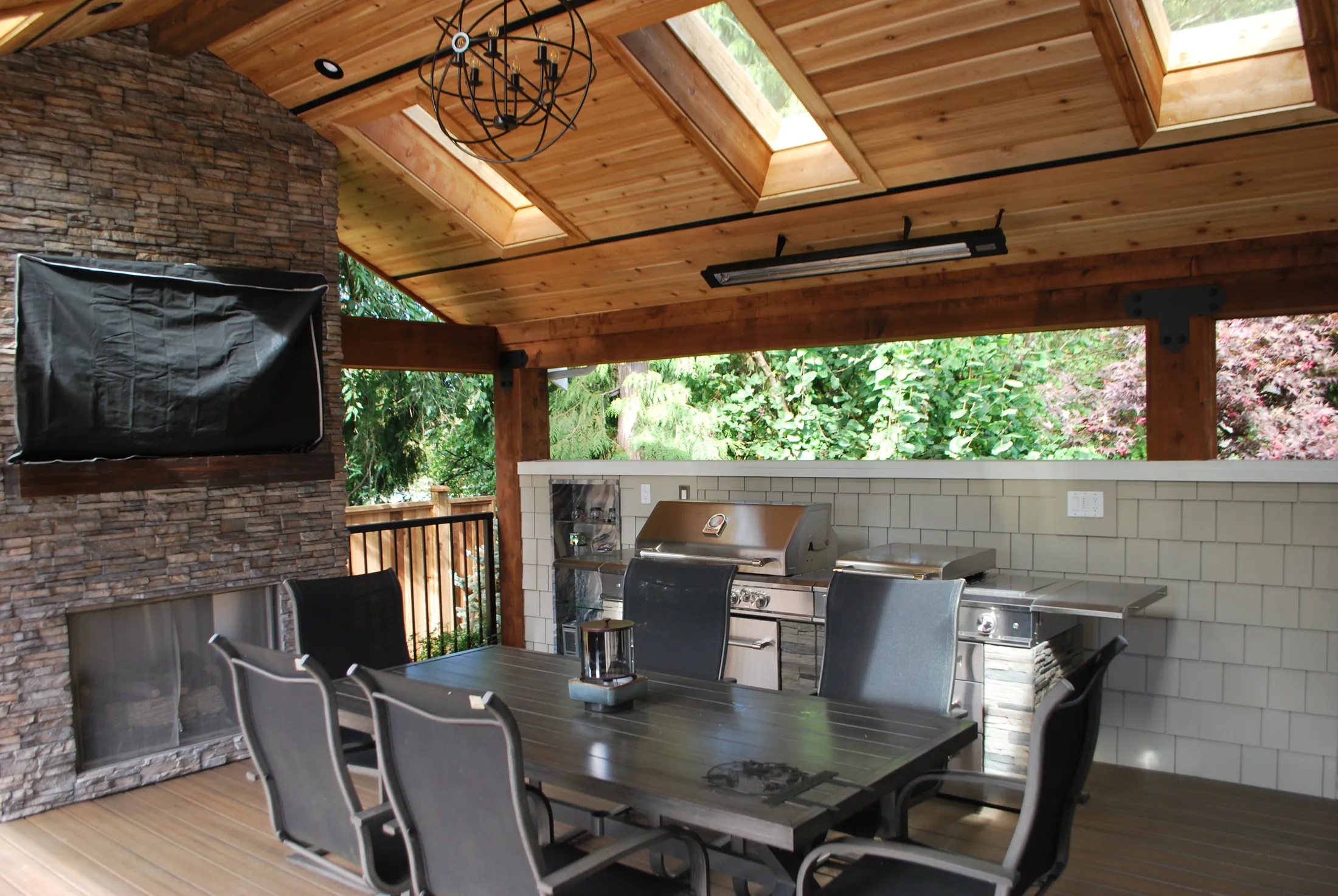
Expand your living space without moving
Home Additions
read more -
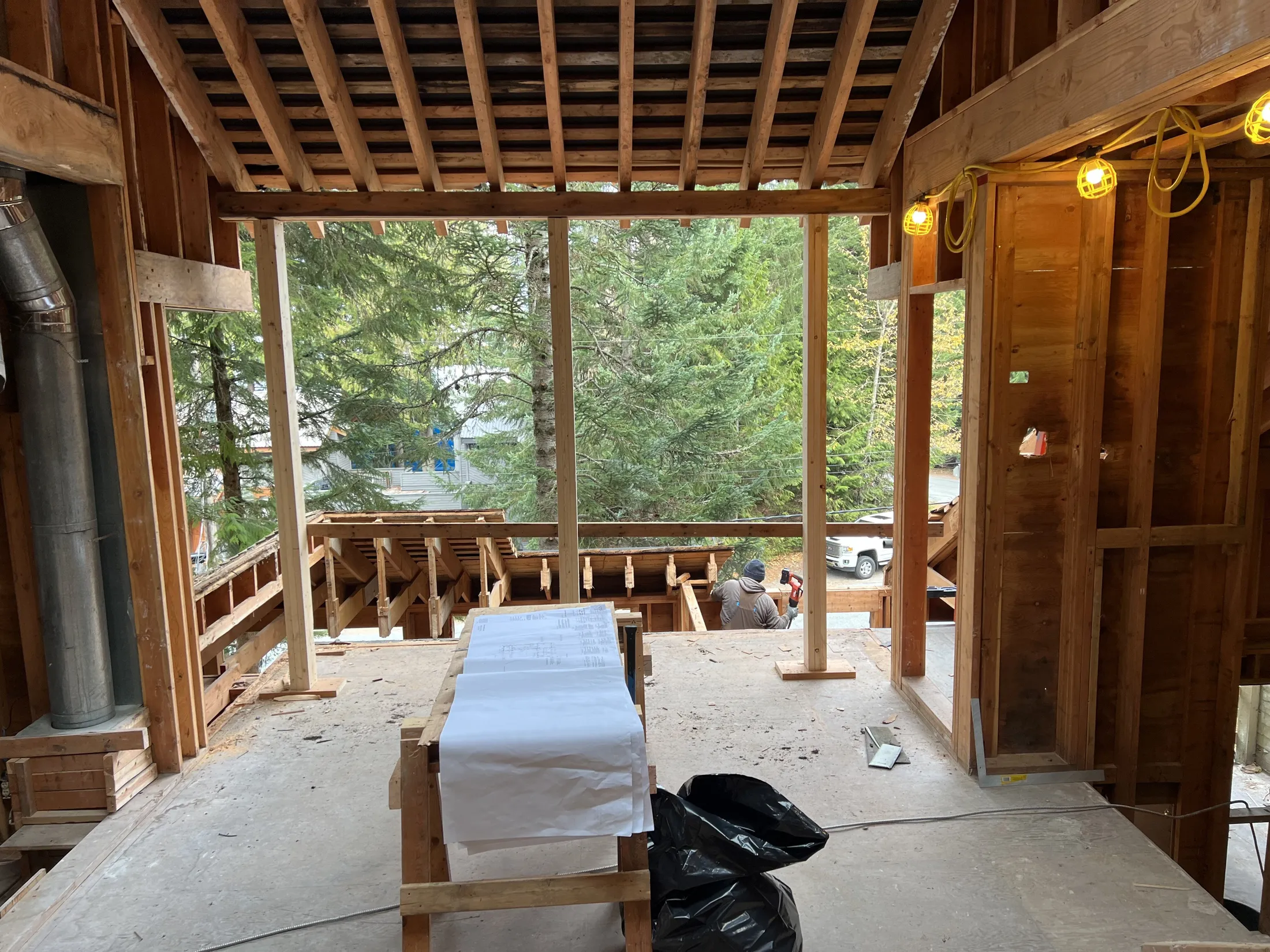
Add space without losing your lot
Second Story Additions
read more
frequently asked questions
If you don't see yours here, get in touch and we'll help.
How long do building permits take in Coquitlam?
Coquitlam's average processing time to first review on a standard residential permit is roughly 15-20 business days, though timelines can extend with application volume or project complexity. Hillside lots requiring geotechnical review typically take longer than flat, serviced sites.
Does the BC Energy Step Code apply to new homes in Coquitlam?
Yes. Coquitlam has required Step 3 of the BC Energy Step Code for new Part 9 residential construction since May 2023, verified through energy modelling from a registered Energy Advisor. It affects envelope performance and mechanical systems, so it needs to be part of the design from the start rather than an afterthought.
What's different about building on Westwood Plateau or Burke Mountain?
Both sit on sloped terrain where geotechnical review and slope engineering drive foundation and retaining wall decisions, and view corridor rules can limit building height and placement. It's a more involved process than a flat lot in an established neighbourhood, but it's what makes the view-lot premium possible.
Can I add a second or third unit to my Coquitlam property?
Often, yes. Under the province's small-scale multi-unit housing legislation, most single-family lots in Coquitlam now allow a minimum of three units, and four on larger lots, which has opened up new options in established neighbourhoods like Austin Heights and Chineside.
How does Coquitlam compare to the rest of the Tri-Cities for custom building?
Coquitlam is the largest and most developed of the Tri-Cities, with the widest range of building conditions—from Westwood Plateau's estate lots to Burke Mountain's new-construction neighbourhoods to older, walkable areas near Austin Heights. That range means permit requirements and site conditions vary block to block more than in Port Coquitlam or Port Moody.